Artisan Stories
Artisan Stories
The Women Behind the Brass: Nairobi's Upcycled Jewelry Artisans
January 18, 2025 · 3 min read
Philosophy
The beauty industry wants you to think more ingredients means better results. We built Kasandy on the opposite belief. Here's the science — and the philosophy — behind less.
The average moisturiser sold in a British pharmacy contains 37 ingredients. The average face serum contains 22. The average "clean beauty" product — marketed specifically to people who want fewer chemicals — contains 18.
We built Kasandy on a different premise: that fewer ingredients, chosen well, will outperform more ingredients, chosen carelessly. And that the complexity of most beauty products tells you more about marketing departments than it does about skin biology.
Your skin barrier — the outermost layer of your epidermis — has been doing its job for roughly 300,000 years of human evolution. It knows what it needs. Primarily, it needs three things: lipids (to maintain the barrier itself), moisture (to keep cells hydrated), and protection from irritants (UV, pollution, allergens).
Everything else is supplementary. The rest of the ingredient list on most products — the stabilisers, the emulsifiers, the fragrance compounds, the preservatives, the marketing ingredients added in quantities too small to be effective — exists to make the product shelf-stable, aesthetically pleasing, or legally differentiable from competitors.
This isn't cynicism. It's pharmacology.
The cosmetics industry has successfully created the impression that a longer ingredient list indicates greater efficacy. Fifteen actives must be better than three. A serum with 27 ingredients must work harder than an oil with four.
The data doesn't support this. Ingredient interactions are unpredictable — compounds that work well individually can neutralise each other or cause irritation when combined. Most "active" ingredients in commercial products are present in concentrations too low to be clinically significant. And the longer the ingredient list, the more likely it is to contain something that a percentage of users will react to.
Every Kasandy product has under five ingredients. Not as a marketing rule — as a formulation constraint. If we can't make the product work with five ingredients or fewer, we don't make the product.
Our Face Soothe oil contains three: rosehip, squalane, and jojoba. Our unscented shea butter contains one: shea. Our lavender shea contains two: shea and lavender essential oil.
We leave out parabens (not because they're dangerous at concentrations used in cosmetics — the evidence is mixed — but because they're unnecessary when a product has a short enough ingredient list). We leave out synthetic fragrance (the biggest cause of contact dermatitis in cosmetic users). We leave out petroleum derivatives. We leave out the emulsifiers and stabilisers you need when you're combining water with oil, because we don't combine water with oil.
We also, frankly, leave out most of the things that make a product feel luxurious in ways that don't serve your skin — the silicones that make skin feel silky but create a film that prevents absorption, the thickeners that make a moisturiser feel substantial but don't moisturise anything.
What's left works. We know, because we use it ourselves, and because the customers who've been buying it for two or three years keep coming back.
Featured in This Story
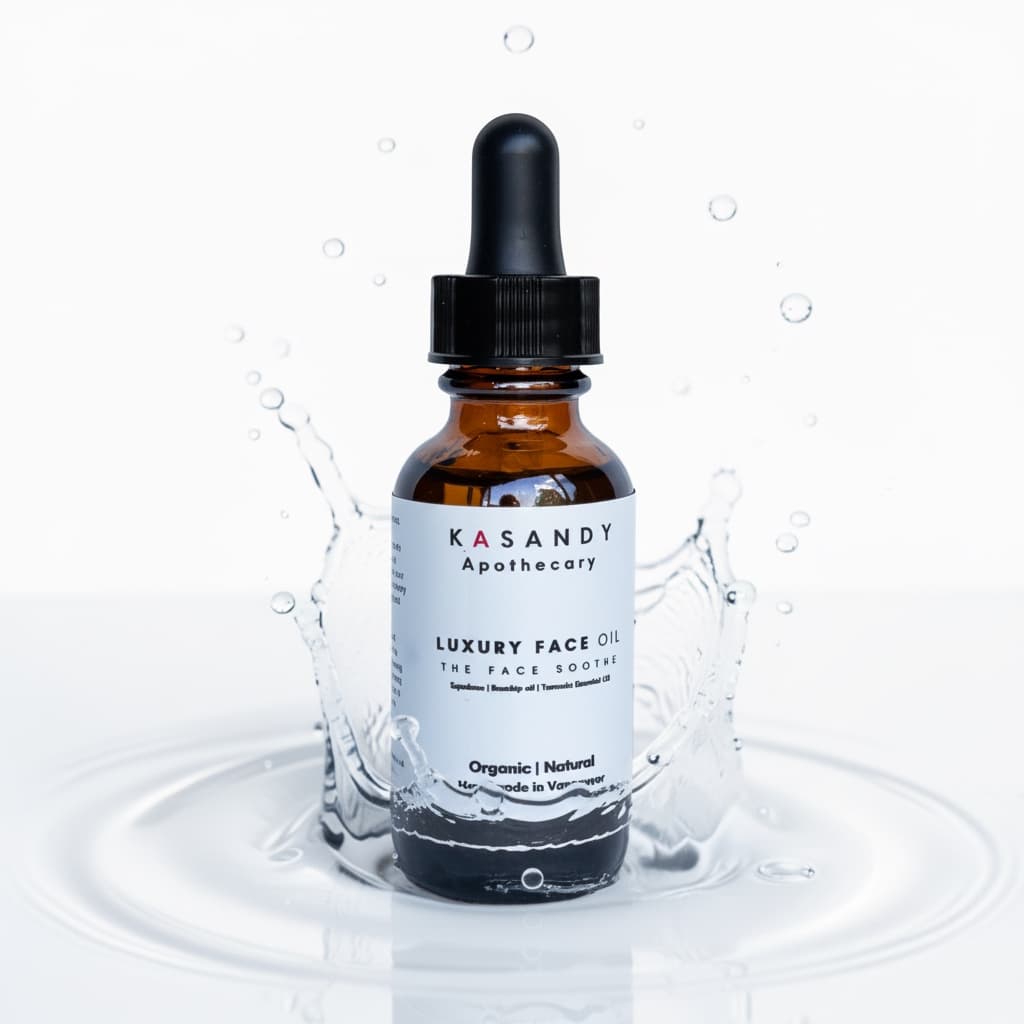
Luxury Face Oil — The Face Soothe
$24
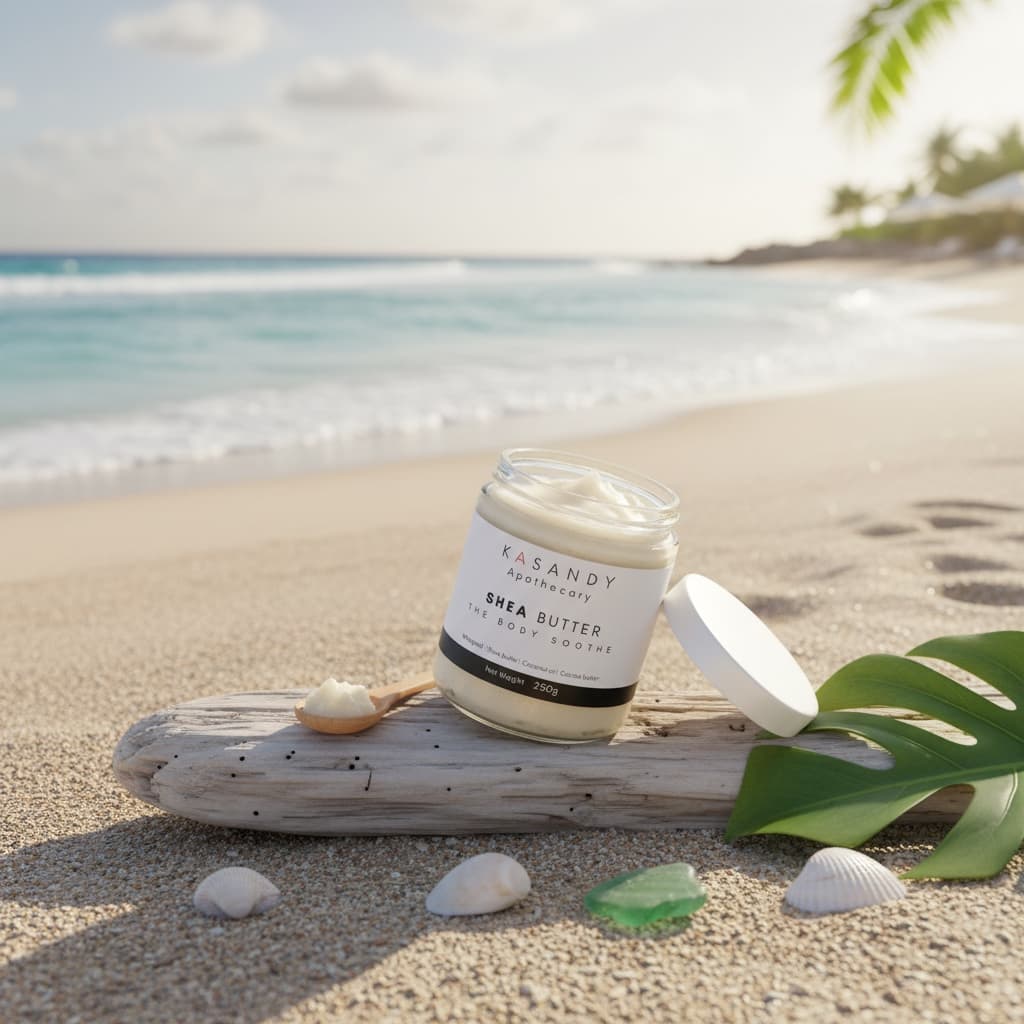
The Body Soothe — Unscented Shea Butter
$29.99
Artisan Stories
Artisan Stories
January 18, 2025 · 3 min read
Artisan Stories
Artisan Stories
January 20, 2025 · 9 min read

Gift Guides
January 15, 2026 · 2 min read