
Gift Guides
After Four Years of Corporate Gifting, Here's What We Know People Actually Keep: The Thoughtful Corporate Gift Guide
January 15, 2026 · 2 min read
Behind the Scenes
Every Saturday morning, our studio fills with the scent of lavender, cedarwood, and soy wax. Here's what actually goes into making each Kasandy product — from first pour to final label.
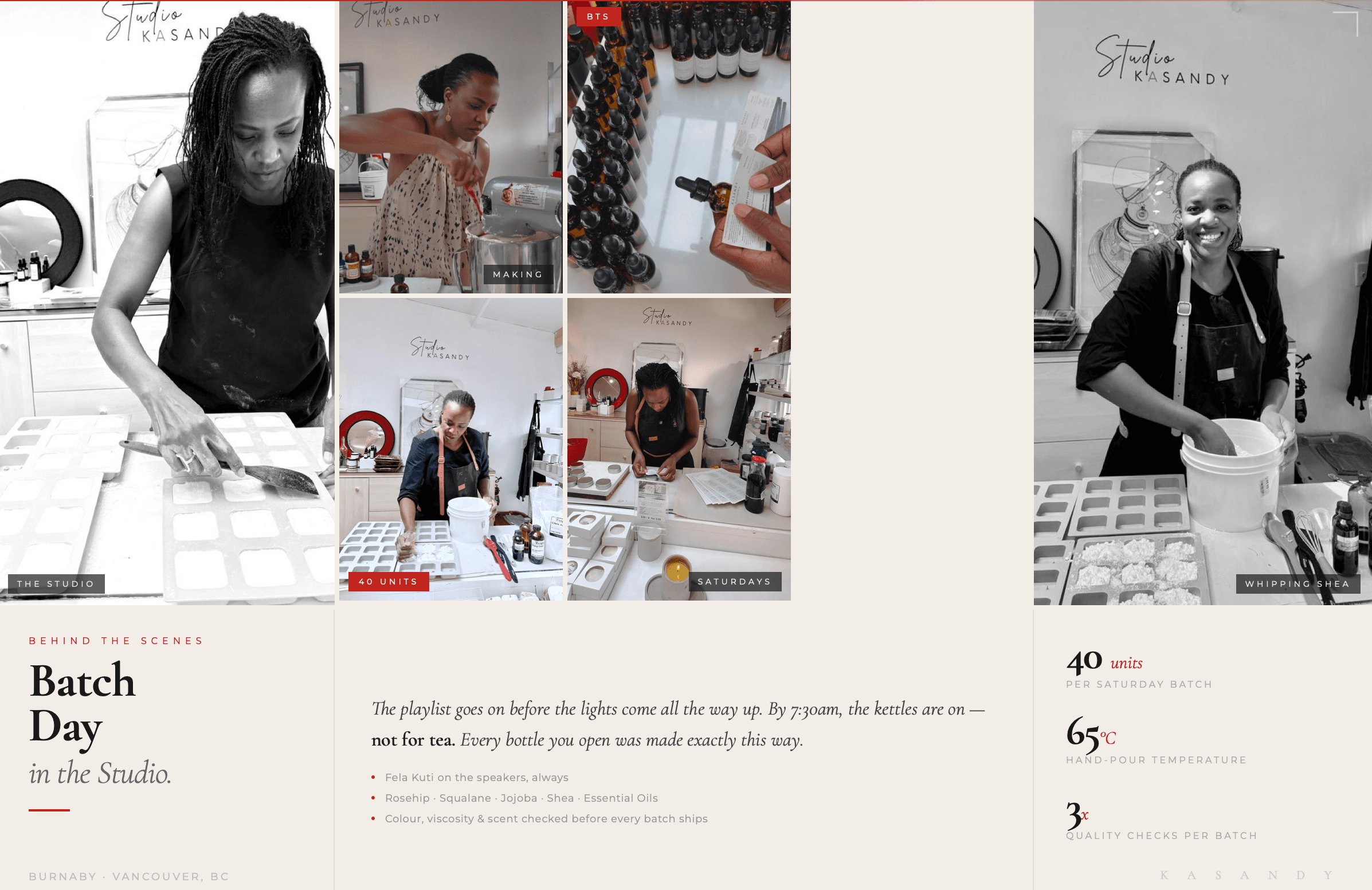
Saturday mornings in the Burnaby studio start with the playlist. Always the same playlist — Fela Kuti, Burna Boy, and whatever Jackee's been listening to that week. The music goes on before the lights come all the way up. That's the ritual.
By 7:30am, the kettles are on. Not for tea — for the first slow melt of the batch.
What we're making
We make about 40 units at a time. That's the maximum our double-boiler setup handles without losing temperature control. Smaller feels inefficient. Larger and the oils start behaving differently as they cool. 40 is the number.
A typical Saturday involves two or three products. Maybe the Face Soothe and lavender shea butter. Maybe a candle scent we're testing alongside a new shower steamer formula. The studio is small enough that everything smells of everything — rosehip mingles with cedarwood, lavender with warm wax. After a few hours you stop noticing individual scents and just notice the warmth of the room.
The face oil is the simplest. Three ingredients — rosehip, squalane, jojoba — weighed on a digital scale, combined over indirect heat until fully incorporated. We bottle. Done.
The shea butter takes longer. Raw shea arrives as a dense, pale block. We break it into pieces, melt it gently, cool it (which can take a couple of hours depending on the season) add essential oils measured to the half-millilitre, then whip it as it cools. The whipping has to happen at exactly the right temperature — too warm and it won't hold air; too cool and it seizes into something grainy. Jackee can tell by feel and by watching the texture change. You don't learn that from a formula. You just learn it.
Batches that don't pass go back into raw materials and get remade. This happens maybe once every six or seven batches. Usually a scent issue — a slightly different extraction from our essential oil supplier, or a drift in proportions during measurement.
By early afternoon, 40 units are done, checked, boxed, staged for fulfilment. Studio gets cleaned. Playlist winds down. Someone puts on a podcast.
Every bottle you open was made exactly this way.
Featured in This Story
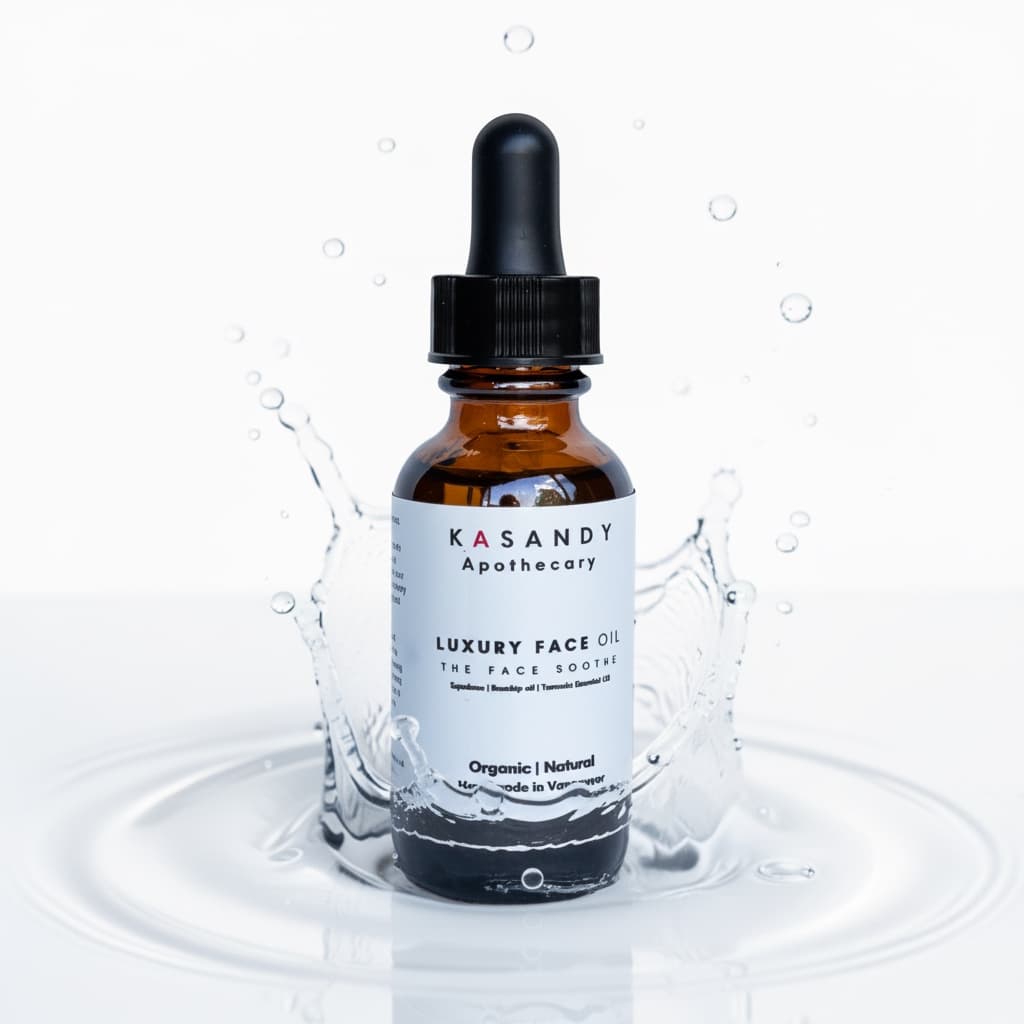
Luxury Face Oil — The Face Soothe
$24
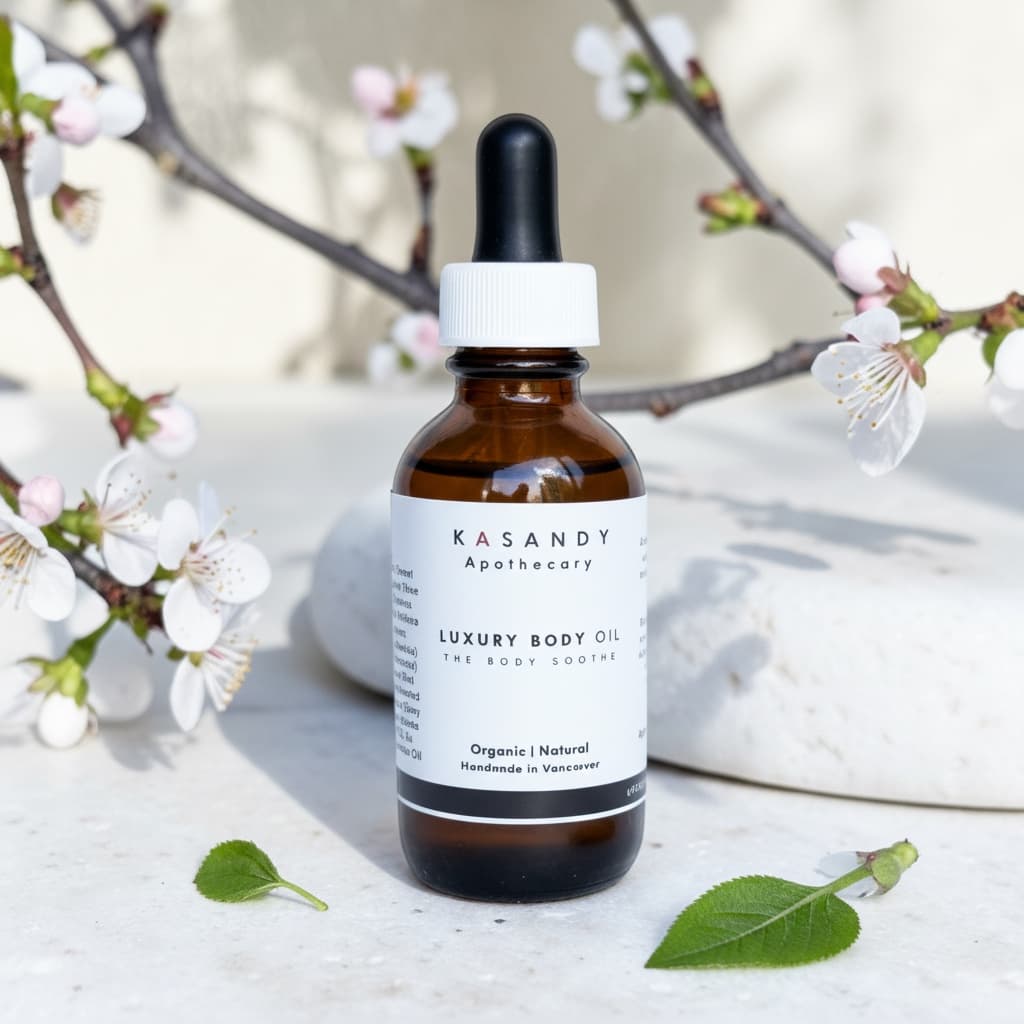
Luxury Body Oil — The MVP of Body Oils
$24
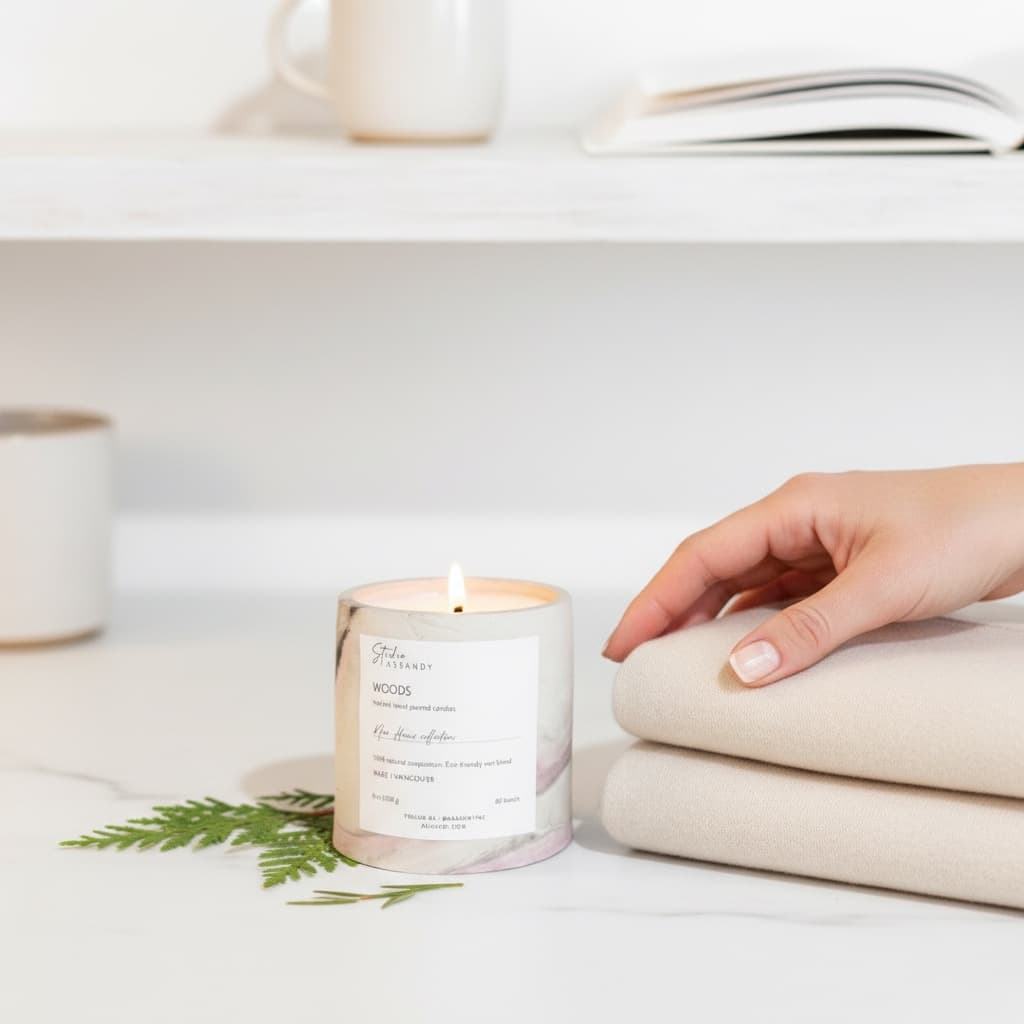
Studio Kasandy Candle — Woods
$42
Gift Guides
January 15, 2026 · 2 min read
Ingredients
March 22, 2025 · 2 min read
Behind the Scenes
February 15, 2025 · 2 min read