Artisan Stories
Artisan Stories
The Women Behind the Brass: Nairobi's Upcycled Jewelry Artisans
January 18, 2025 · 3 min read
Ingredients
Shea isn't just an ingredient to us. It's a supply chain story rooted in dignity, fair wages, and 400-year-old Ghanaian knowledge. Here's what we actually know about where our shea comes from.
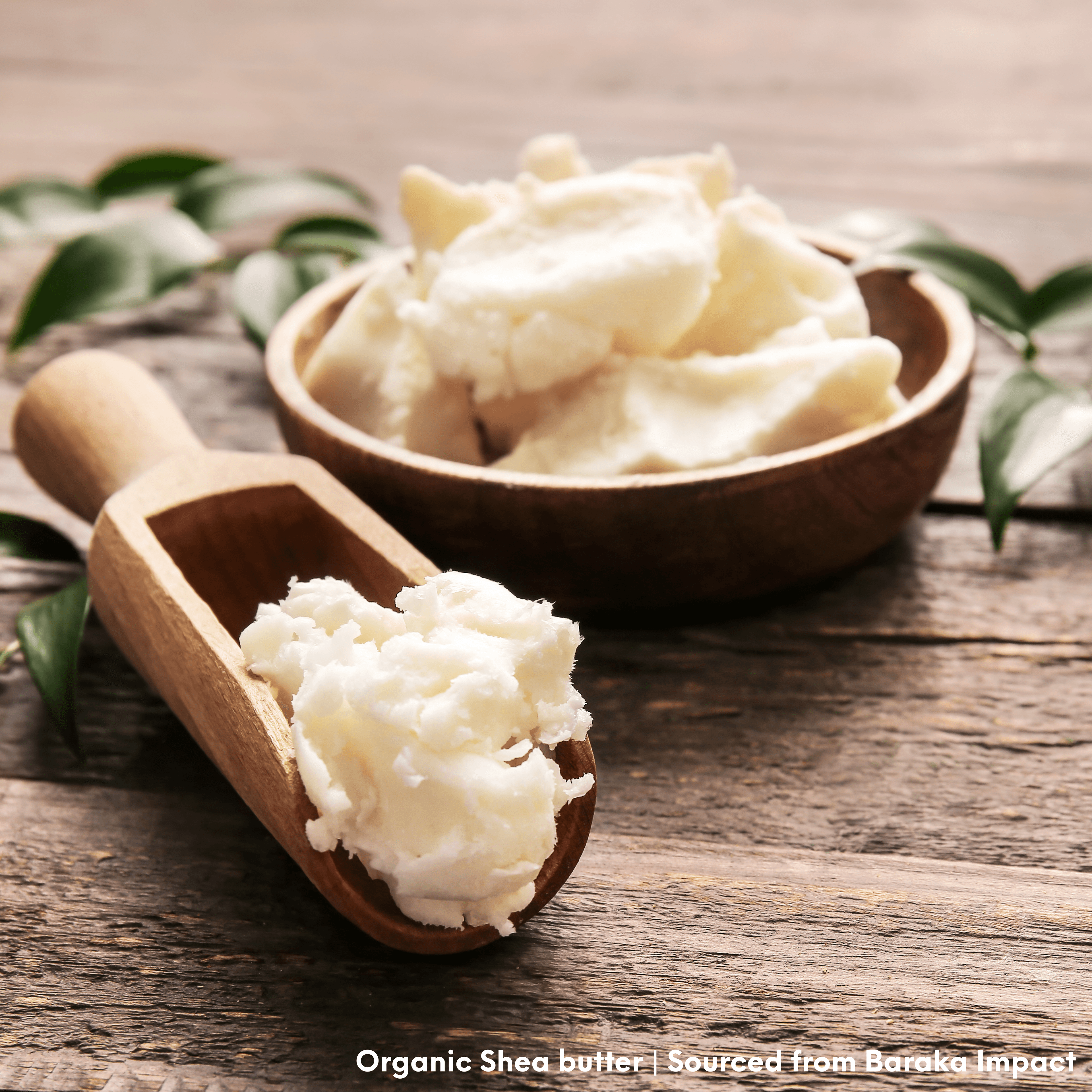
Ghana produces more shea than anywhere else on earth. The northern savannah — that vast stretch of semi-arid land sitting between the southern forests and the Sahara — is home to millions of shea trees. Each one takes between 10 and 30 years to bear fruit. The women who harvest it have been doing so for over 400 years. Not as a hobby. As mastery.
We use Ghanaian shea in every shea product we make. When people ask why — why not Burkina Faso, why not a synthetic equivalent, why not something with a more predictable supply chain — the answer is always the same.
Because we know exactly where ours comes from.
**## What "fair trade" actually means — and what it usually doesn't
**
The global shea market generates billions of dollars a year. A fraction of that reaches the women doing the hardest work: cracking open the nuts, boiling and drying the kernels, cold-pressing them by hand into the dense, cream-coloured butter that ends up in your jar.
We source through a women's cooperative in Ghana's Brong-Ahafo region. The women there earn roughly three times the regional commodity rate for raw shea. They set their own hours. They hold equity in the cooperative. A community fund — run by the cooperative itself, not by us — covers their children's school fees.
This isn't a story we invented for the label. It's a supply chain relationship we've maintained and audited since 2019, through Baraka Impact, and one we intend to deepen as Kasandy grows.
Why cold-pressed shea is different — and why most brands don't bother
Most commercial shea butter is refined. Extracted with solvents, deodorized, bleached to a uniform white. Refined shea is shelf-stable and consistent — two things that matter a great deal when you're manufacturing at scale. But that process strips out nearly everything that makes shea worth using: the triterpene alcohols that drive its anti-inflammatory action, the vitamin E, the fatty acids. What's left is a filler, not a treatment.
Our shea is cold-pressed. The kernels are cracked by hand, briefly roasted over low heat, and ground into a thick paste. That paste is kneaded with water — sometimes for hours — until the fat separates out. It's slow. It's labour-intensive. The result looks slightly grey before it sets, and it smells faintly nutty and earthy. Raw shea is not Pinterest-perfect.
But it works.
Cold-pressed shea in its natural state is dense — hard in cool temperatures, waxy on skin if you apply it straight from the jar. We whip ours with a small amount of carrier oil until it becomes cloud-soft and melts at body temperature. No synthetic emulsifiers. No petroleum derivatives. Just fat and air.
The result sinks into skin within minutes, leaves no greasy residue, and delivers genuine 96-hour moisture retention. We know this not from a lab study commissioned for marketing purposes — but because several of our team members use it nightly on dry, eczema-prone skin and have watched the difference build over weeks.
## The scent question
Raw shea has a distinctive smell: earthy, slightly smoky, a little nutty. Some people love it. Others find it a lot. Our lavender and rose variants are scented with pure essential oils — not to cover the shea, but to sit alongside it. The unscented version keeps the full raw fragrance and is consistently our most popular choice among customers with fragrance sensitivities.
## The trees themselves are the story
Shea trees can't be farmed. They grow wild, on a 20-to-30-year cycle, and every attempt to cultivate them in controlled conditions has failed. Every shea tree in Ghana is, in the truest sense, a wild tree. The forests they grow in support extraordinary biodiversity: elephants, monkeys, hundreds of bird species.
Sustainable shea harvesting is one of the most effective forms of forest conservation in West Africa — because when the trees are worth money, the trees get protected. The women harvesting the fruit have more economic reason than anyone to ensure those forests survive.
That's the full story. From a Ghanaian savannah, pressed by hand, whipped in our Vancouver studio, shipped to your door.
Here's how Shea is made. We buy it from Ghana through Baraka Impact
Featured in This Story
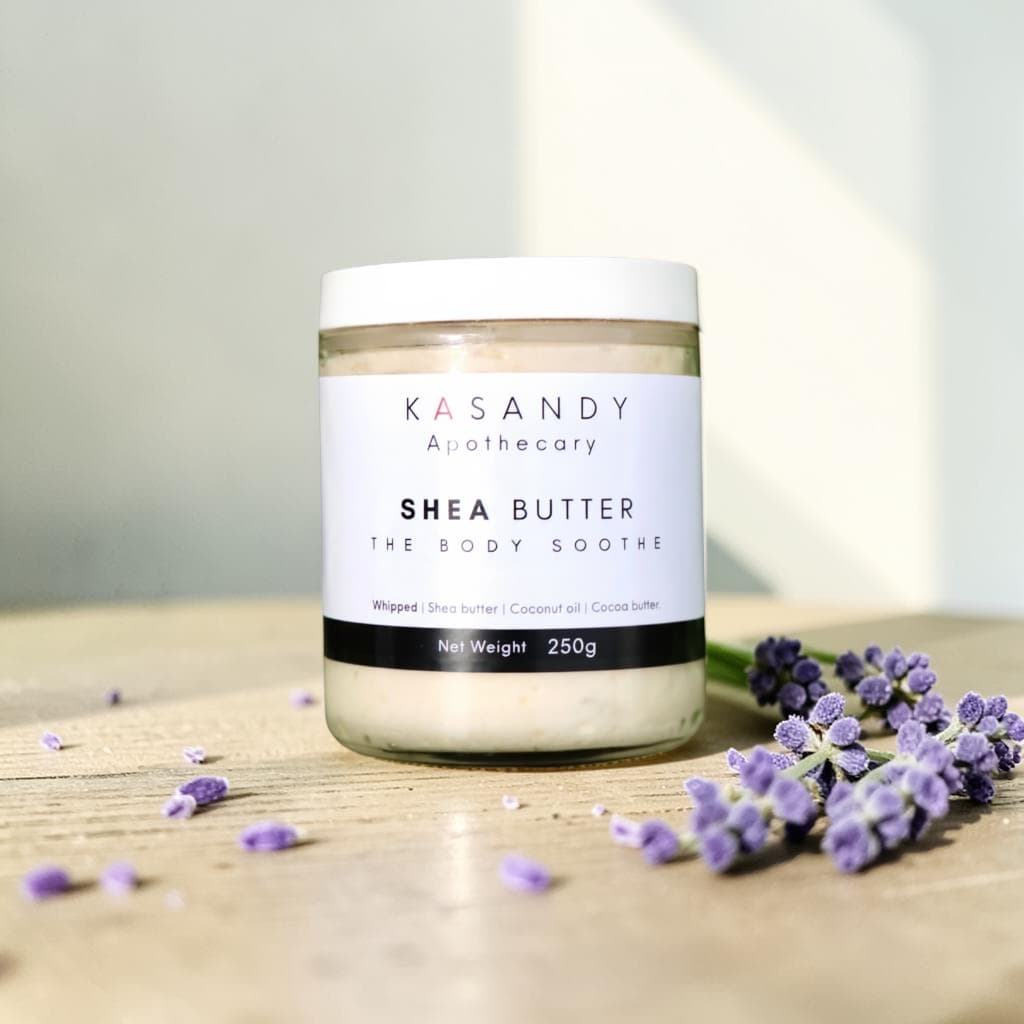
The Body Soothe — Lavender Shea Butter
$29.99
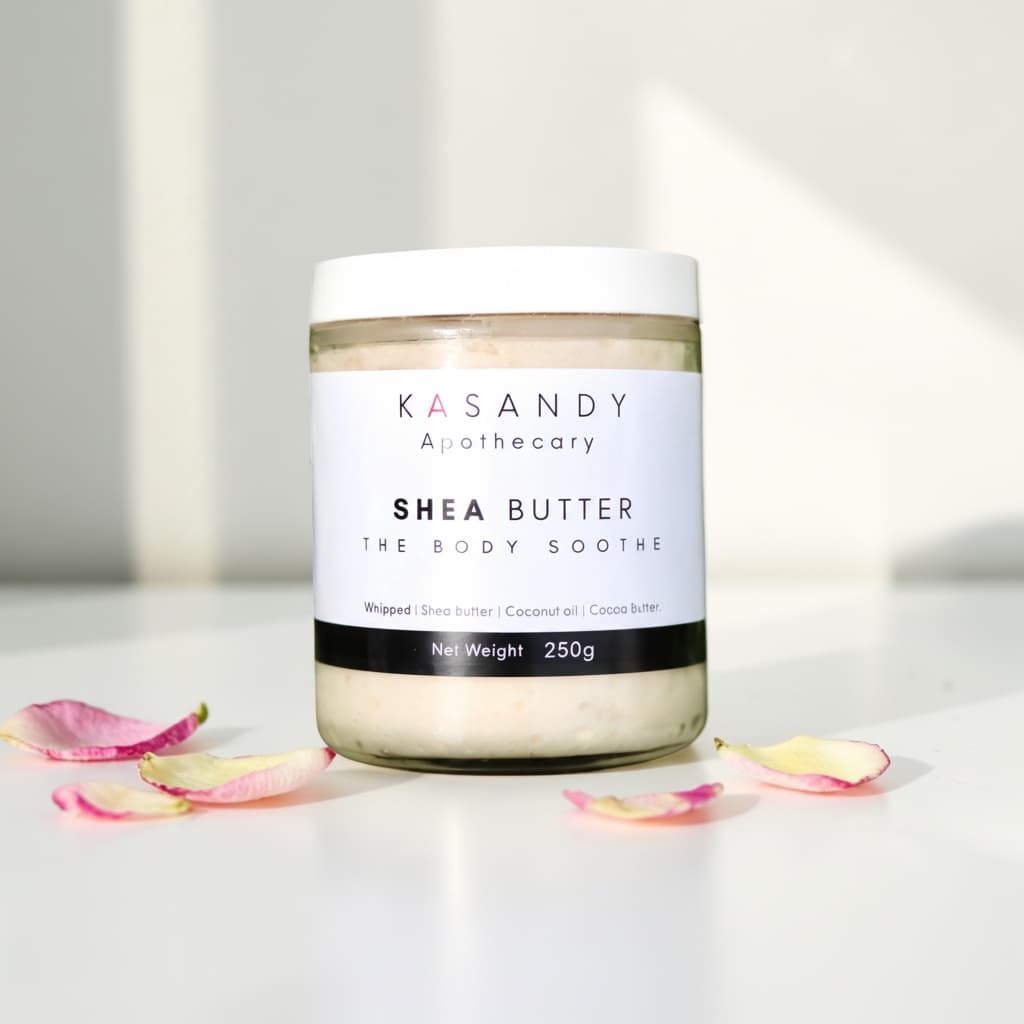
The Body Soothe — Rose Shea Butter
$29.99
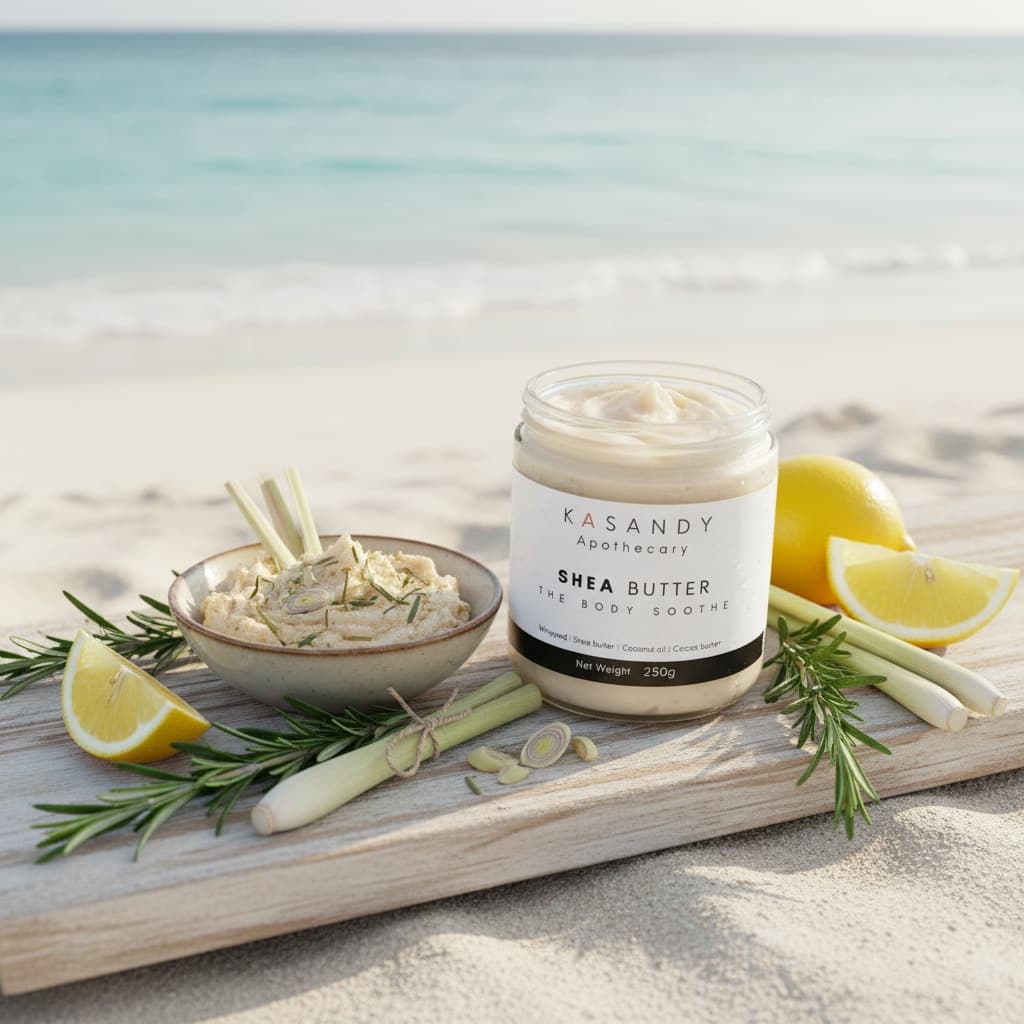
The Body Soothe — Lemongrass & Rosemary Shea Butter
$29.99
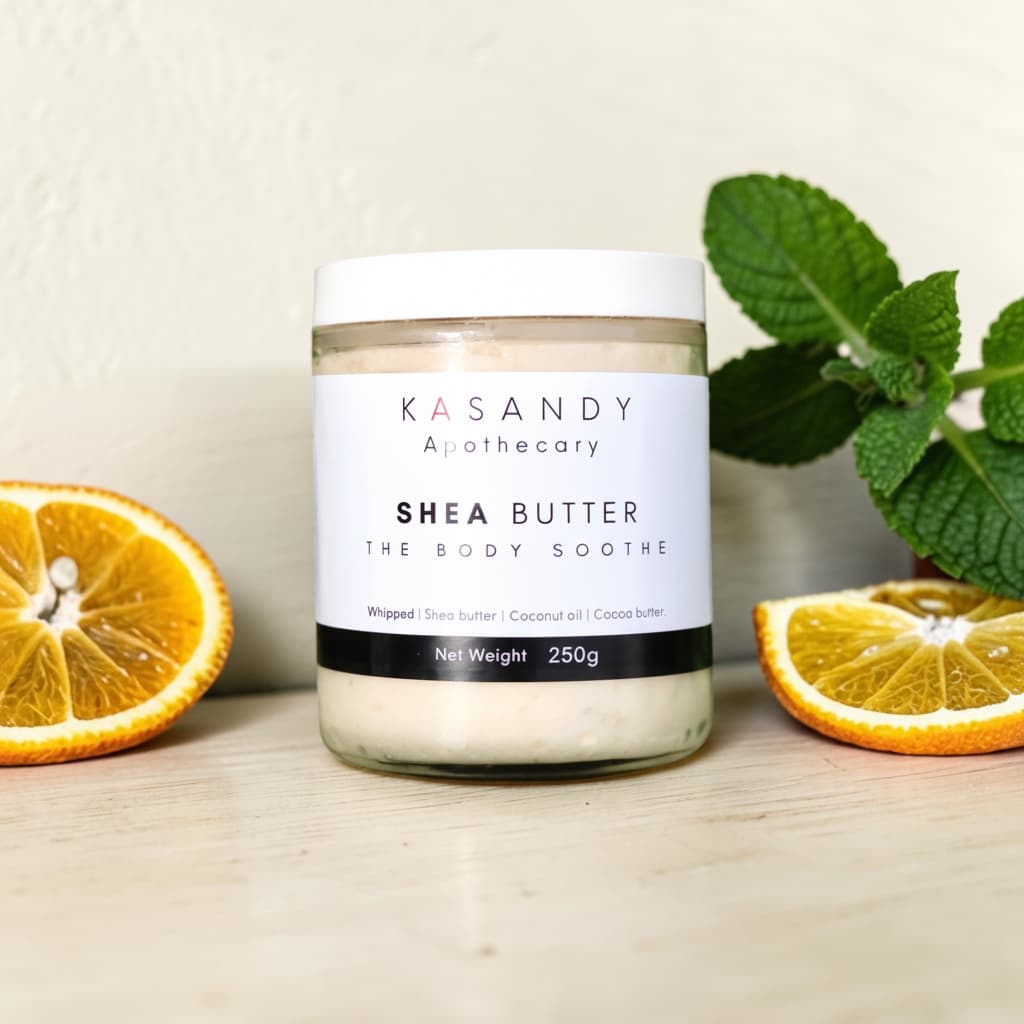
The Body Soothe — Citrus Shea Butter
$29.99
Artisan Stories
Artisan Stories
January 18, 2025 · 3 min read
Life & Wellness
April 10, 2025 · 2 min read
Philosophy
January 5, 2025 · 2 min read