Philosophy
Why Most Kasandy Product Has Under 5 Ingredients
January 5, 2025 · 2 min read
Product Stories
It started with a bucket of cement, a wick, and a question: what if the container was as beautiful as what's inside? The story of the Studio Kasandy candle.
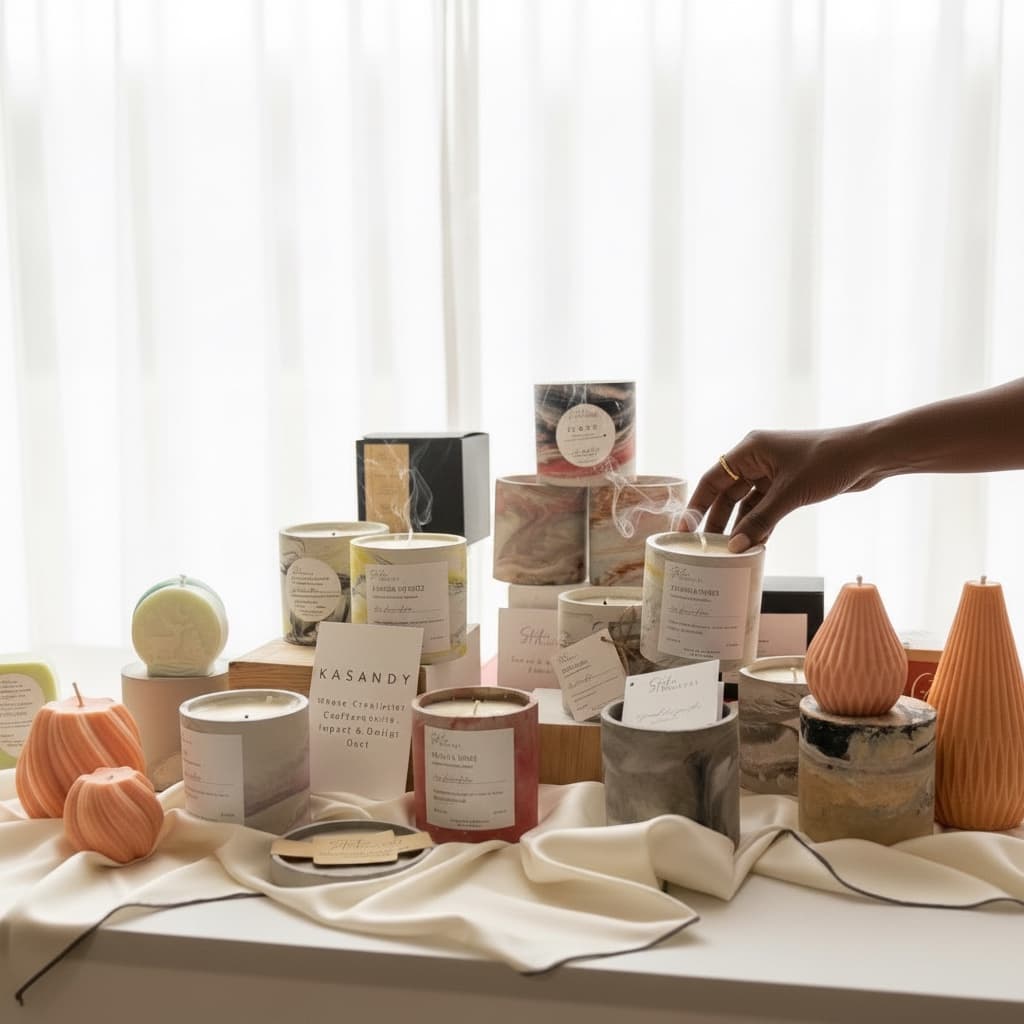
Jackee couldn't stop asking the same question: why does every candle come in a glass jar?
Not because glass is bad. Glass is fine. Glass is practical. But glass is also cold, and fragile, and completely interchangeable — the same vessel in every home, on every shelf, in every bathroom. She wanted something different. A container that would earn its place in a room. Something you'd keep long after the last pour burned down.
So she bought a bag of concrete mix and started experimenting.
## Five prototypes. Months of failures. One very specific ratio.
The first cement vessel was made in 2019, in the original Granville Island studio. Rapid-set concrete mix. A silicone mould ordered from a hardware supplier in Richmond. The first one cracked when it dried. The second held together but had air bubbles throughout. The third was closer. By the fifth, we had a process.
The mix ratio is everything. Too much water and the concrete shrinks as it cures, splitting along the sides. Too little and it won't flow properly into the mould. The ideal ratio — which we've kept to ourselves, because it took months to nail down — produces a vessel that's dense, smooth on the inside, and has that slightly rough exterior texture that makes it genuinely satisfying to hold.
We add a small amount of pigment to the mix — that's what gives our vessels their warm grey-cream tone instead of the harsh white of raw concrete — and a plasticiser to improve workability. That's the full ingredient list. No shortcuts.
We use a premium blend of coconut and soy wax. It burns cleaner than paraffin and delivers a better scent throw than pure soy on its own. The wick is cotton-braided, untreated, and sized specifically to the diameter of each vessel.
That last part sounds simple. It wasn't. Too small a wick and you get tunnelling — the wax burns straight down the centre, never melting the edges, wasting a third of the candle. Too large and you get soot, mushrooming, and a flame that runs too hot. Getting the sizing right for a cement vessel (which retains heat differently than glass) was one of the more painstaking parts of development.
Each candle is hand-poured at around 65°C — low enough that the fragrance doesn't burn off before the wax sets, high enough that the pour is clean and smooth. The fragrances are all-natural wherever possible. A few of the more complex scent profiles require synthetic aromatic compounds for stability, and we say so on the label. Always.
## What happens after the candle is gone
This is the part people don't expect: the vessel is designed to outlive the candle.
Clean it out with boiling water — the remaining wax lifts right out — and you have a plant pot, a pen holder, a bathroom cup, a desk organiser. We've seen customers use them as ring dishes, as bookends, as catchalls for keys and change by the front door. Someone once used one as a paperweight to hold down architectural drawings in a wind. (The ice cube tray experiment, which a few people have attempted: it doesn't work. But we respect the ambition.)
And if you're in Vancouver or the Lower Mainland? Bring it back. We offer a candle refill service right from our Burnaby studio — same vessel, fresh wax, your choice of scent. It costs less than a new candle, produces zero packaging waste, and honestly? There's something satisfying about a vessel that just keeps going. This is exactly what we mean when we say the container was always meant to be the point. Buy it once. Refill it. Keep it forever.
The vessel was always meant to be the point as much as the candle. We planned it that way from prototype one — even when prototype one cracked straight down the middle.
Featured in This Story
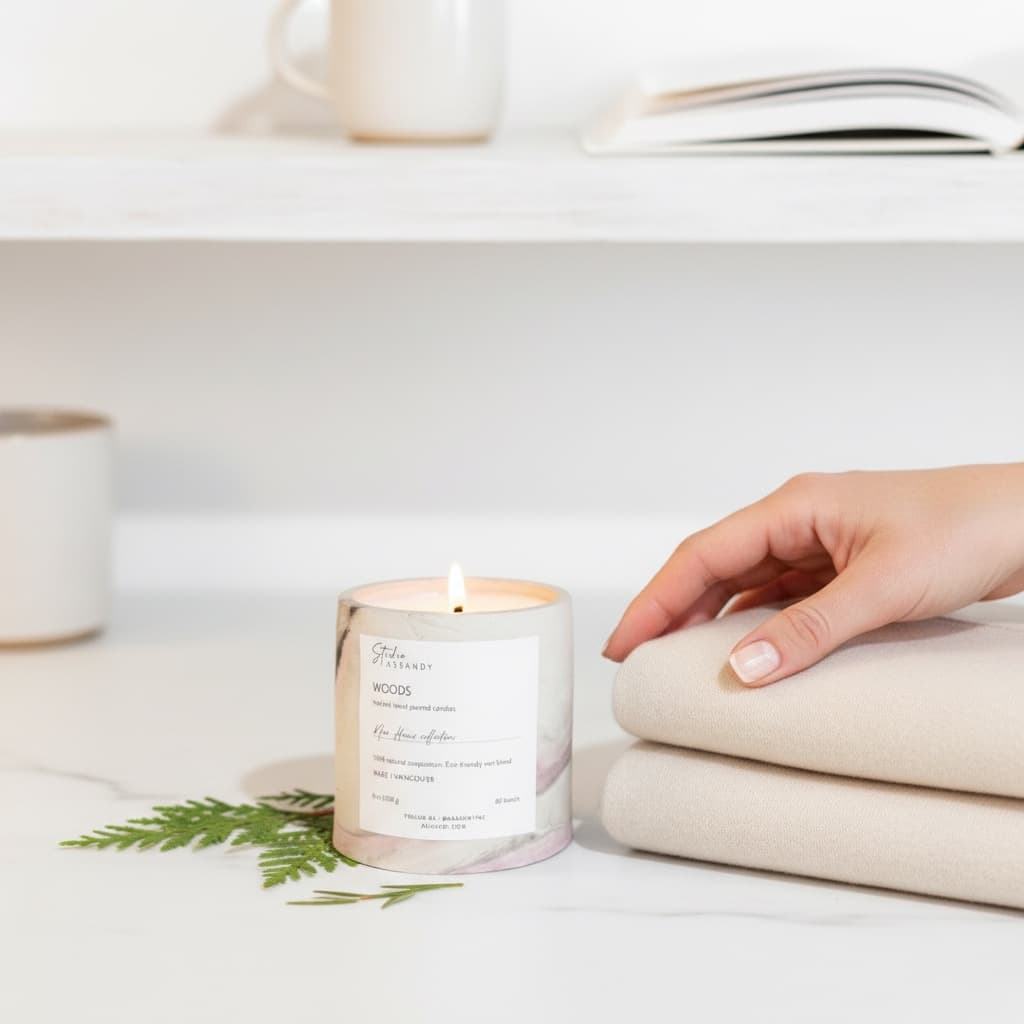
Studio Kasandy Candle — Woods
$42
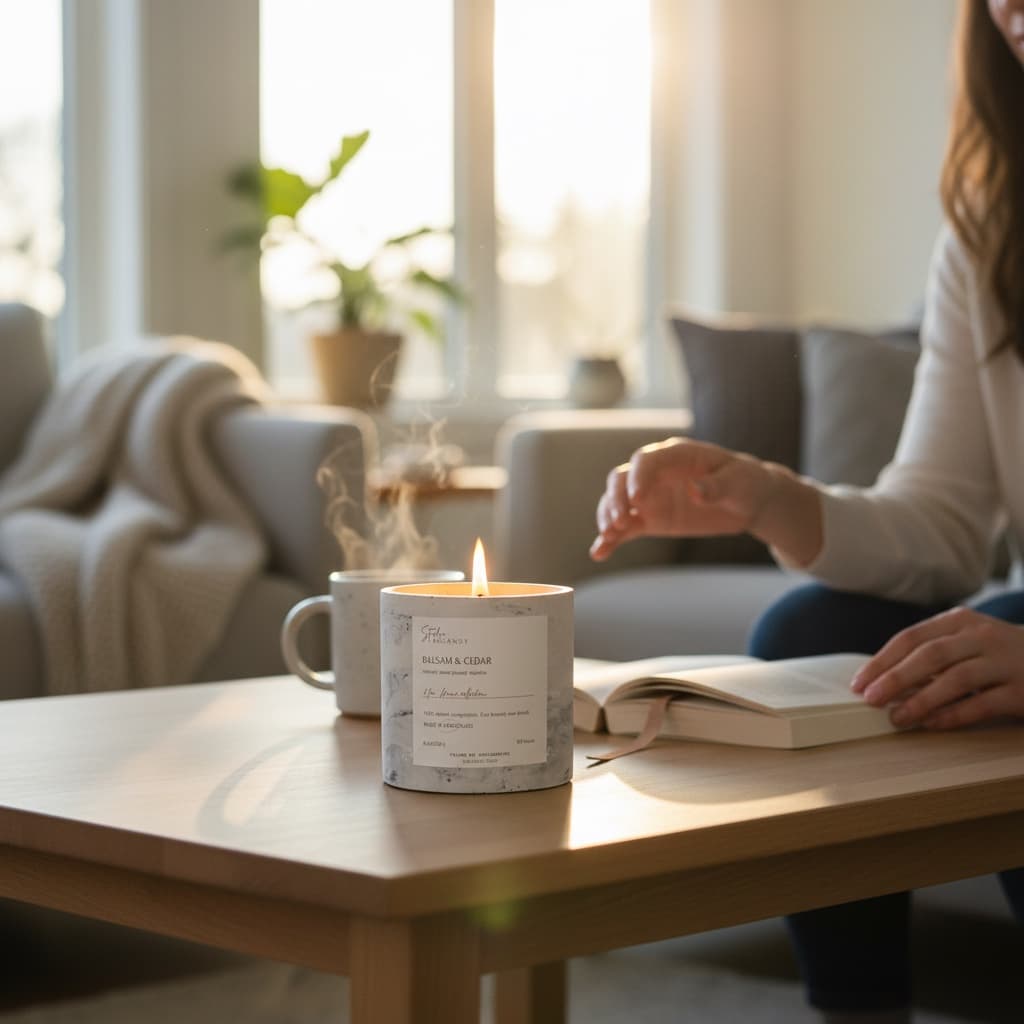
Studio Kasandy Candle — Balsam & Cedar
$42
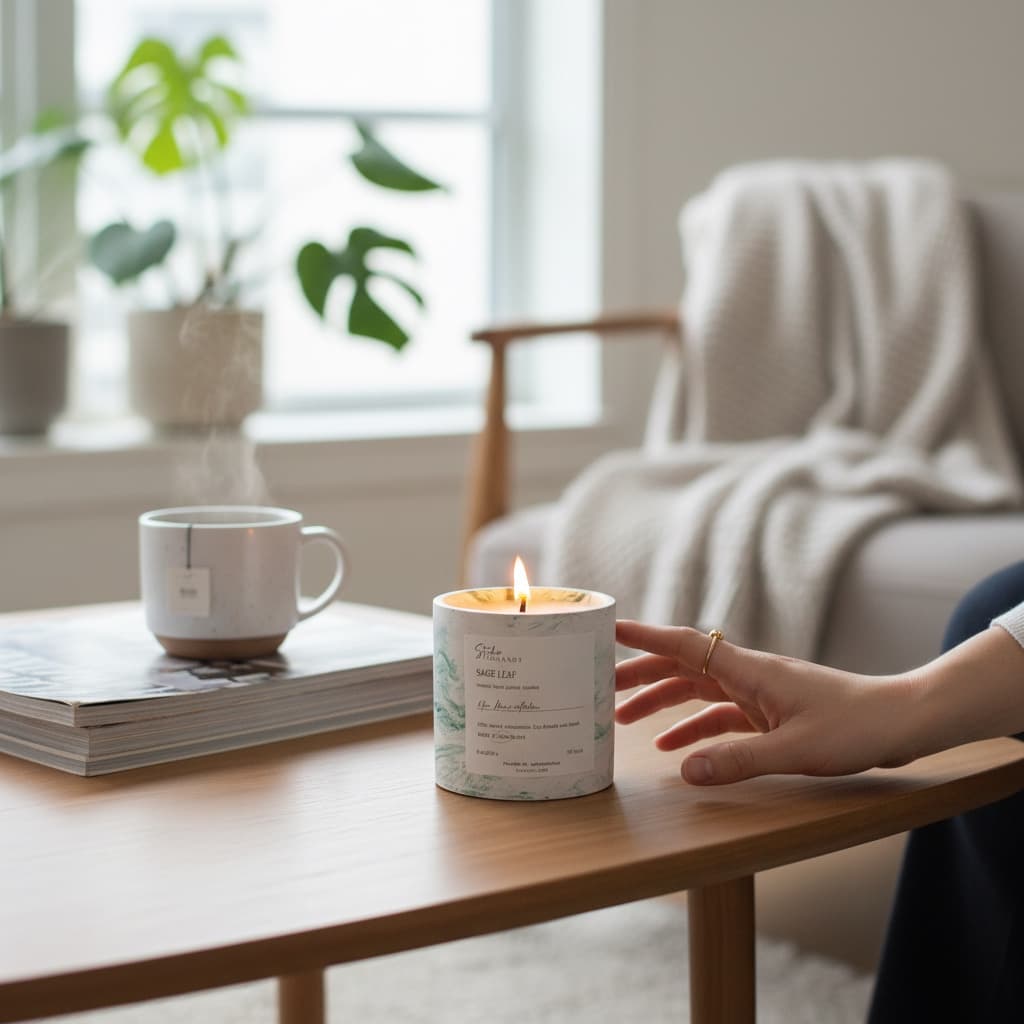
Studio Kasandy Candle — Sage Leaf
$42
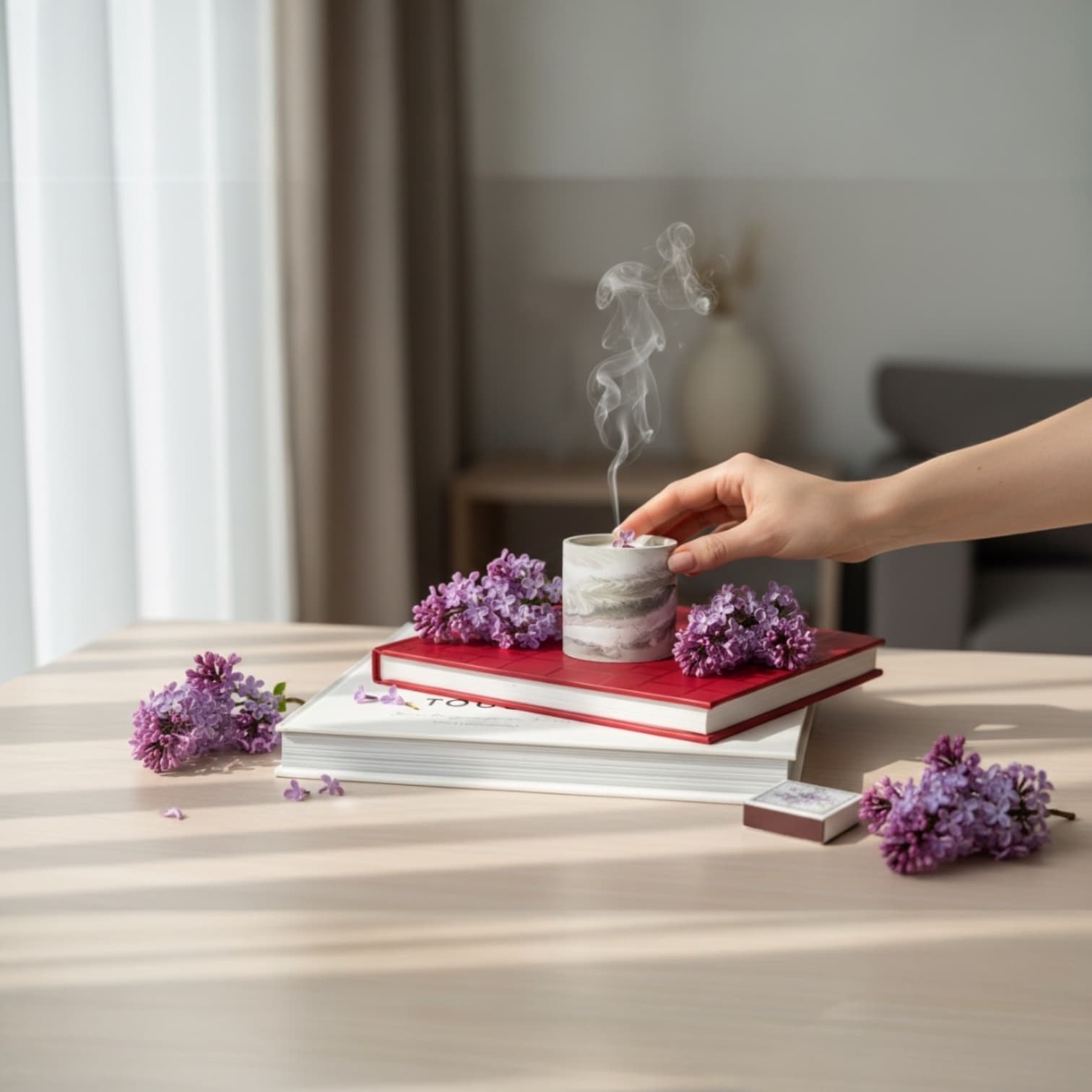
Studio Kasandy Candle — Lilac Tales
$42
Philosophy
January 5, 2025 · 2 min read
Life & Wellness
November 28, 2024 · 4 min read

Life & Wellness
April 5, 2025 · 1 min read